
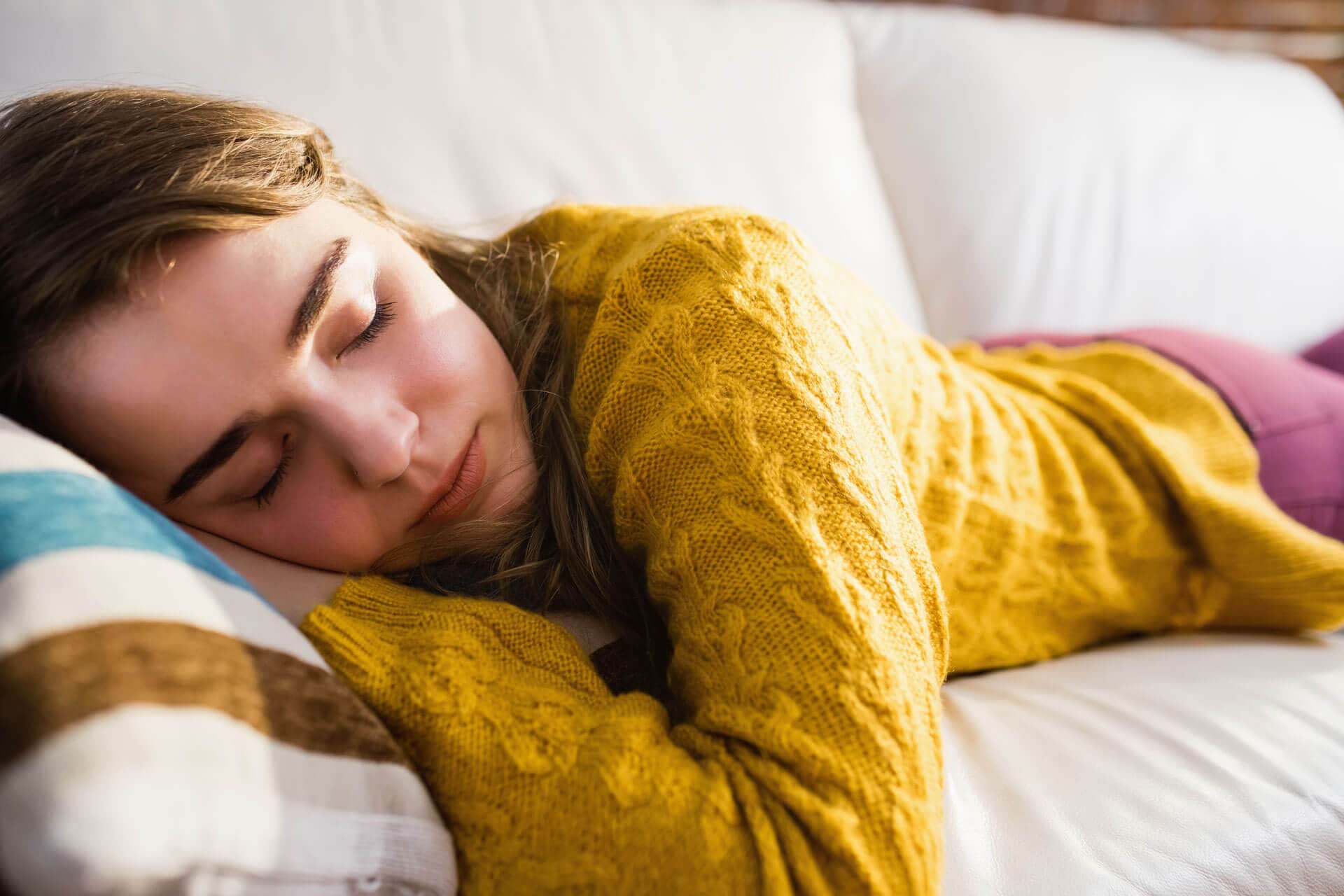
Welcome to the place where sleep isn’t just rest — it’s a wellness superpower. If you’ve ever dragged yourself through the day fueled by caffeine and sheer willpower, you know poor sleep can wreck your health. Let’s dive deep into why sleep hygiene is the unsung hero of your wellness journey.
Introduction to Sleep Hygiene
We all know sleep matters. But have you ever thought about how you sleep? That’s where sleep hygiene comes in. For anyone serious about health & wellness, sleep hygiene is as important as diet and exercise — maybe even more.
What is Sleep Hygiene?
Think of sleep hygiene like your personal bedtime playbook. It’s all about the habits, environment, and routines that help you sleep better and wake up energized. Like brushing your teeth to avoid cavities, sleep hygiene helps you avoid sleepless nights and groggy mornings.
The Connection Between Sleep and Wellness
Here’s the deal: your entire well-being depends on sleep. Good sleep hygiene strengthens your body, sharpens your mind, and balances your emotions. Bad sleep? Well, that’s a fast-track ticket to burnout.
Why Sleep Hygiene Matters
Physical Health Benefits
Boosts Immune Function
When you sleep well, your immune system stays battle-ready. You’re better equipped to fight off colds, viruses, and even chronic illnesses.
Regulates Hormones
Sleep impacts hormones like cortisol, insulin, and even hunger hormones. Balanced hormones mean better metabolism, steady weight, and lower disease risk.
Mental Health Benefits
Reduces Anxiety and Depression
Chronic sleep deprivation often fuels anxiety and depression. Quality sleep helps keep your mental health stable and resilient.
Improves Cognitive Function
Ever tried problem-solving after a bad night’s sleep? Your brain needs rest to recharge, focus, and make smart decisions.
Emotional Balance and Mood Regulation
Good sleep helps you stay cool, calm, and collected. Without it, even tiny frustrations can seem overwhelming. Sleep hygiene keeps your emotional tank full.
The Science Behind Sleep Hygiene
Circadian Rhythm Explained
Your body runs on a 24-hour clock called the circadian rhythm. Disrupting it with late nights or irregular schedules throws your whole system out of whack.
The Role of Melatonin
Melatonin is your body’s natural sleep cue. Healthy habits encourage melatonin production, making it easier to fall asleep naturally.
Sleep Cycles and Quality Sleep
Sleep isn’t just one long nap — it’s a cycle of stages. Consistency helps you glide through light sleep, deep sleep, and REM, leaving you refreshed.
Bad Sleep Hygiene: The Consequences
Chronic Fatigue
Dragging yourself through the day? That’s chronic fatigue — often caused by poor sleep hygiene.
Increased Risk of Chronic Diseases
Bad sleep habits can raise your risk of heart disease, obesity, and diabetes — serious stuff.
Emotional Instability
Sleep deprivation magnifies emotions. You may find yourself snapping at loved ones or feeling overly sensitive.
How to Build Good Sleep Hygiene
Create a Sleep-Inducing Environment
Bedroom Setup
Invest in a quality mattress and cozy bedding. Keep your room cool, quiet, and dark — your sleep sanctuary.
Lighting and Noise Control
Dim the lights before bed, and use blackout curtains or white noise machines to block disruptions.
Establish a Consistent Sleep Routine
Bedtime Rituals
Wind down with relaxing activities like reading or gentle yoga. Avoid stimulating tasks before bed.
Limiting Screen Time
Blue light from screens disrupts melatonin. Power down your devices at least an hour before bedtime.
Diet and Exercise for Better Sleep
Foods to Avoid
Avoid caffeine, heavy meals, and alcohol before bed — they interfere with your ability to fall and stay asleep.
Best Time to Exercise
Regular exercise helps promote sleep, but finish workouts at least 3 hours before bedtime for best results.
Common Myths About Sleep Hygiene
“I Can Catch Up On Sleep Later”
Sleep debt doesn’t work like a savings account. You can’t just “catch up” on weekends. Consistency is key.
“More Sleep Is Always Better”
Oversleeping can be harmful too. Aim for 7–9 hours of quality sleep nightly.
Tools and Resources for Better Sleep Hygiene
Apps and Trackers
Use apps like Calm, Headspace, or sleep trackers to monitor your habits and improve your routine.
Professional Help
Still struggling? Sleep specialists can help diagnose and treat underlying issues like sleep apnea.
Conclusion
Here’s the bottom line: Sleep hygiene isn’t optional — it’s essential.
When you prioritize sleep, your entire wellness game changes. Better mood, stronger body, sharper mind — all from simply respecting your body’s need to rest. Start small, stay consistent, and watch the transformation unfold.
FAQs
Q1: What is the first step to improving sleep hygiene?
Start by setting a fixed bedtime and wake-up time, even on weekends.
Q2: How does poor sleep hygiene affect mental health?
It raises your risk of anxiety, depression, and lowers your ability to handle stress.
Q3: Is melatonin safe to take for sleep?
Occasionally, yes — but it’s always better to build natural habits that support your body’s own melatonin production.
Q4: Does exercise help with sleep hygiene?
Absolutely! Exercise can help you fall asleep faster and enjoy deeper sleep.
Q5: How soon can I see results from better sleep hygiene?
Many people notice significant improvements within a few weeks of consistent practice.
Explore expert-backed insights on sleep hygiene, nutrition, and mindfulness at taohealth.co.nz — your trusted partner in balanced living.
Discover more wellness tips, natural remedies, and holistic health guidance at taohealth.co.nz — empowering your healthiest self.